Local Knowledge
What Makes Temple Terrace Trees Different
Temple Terrace is a small, self-governed city built around golf courses and the Hillsborough River, and it runs its own tree ordinance separate from Hillsborough County. Golfview and Riverside hold decades-old live oaks shaping the fairways and river frontage the city is known for, while Terrace Park and Woodmont carry a mix of laurel oak and slash pine planted when those blocks went in. Almost every removal call here eventually runs through the city's own permitting process, which is different from what we tell homeowners two miles away in unincorporated Hillsborough County.
Trees We Work On Most in Temple Terrace
- Live oak
- Temple Terrace's signature tree, especially along the golf course frontage in Golfview and the river corridor through Riverside. Many are large enough to fall under the city's protected diameter, so we document trunk size and condition carefully before recommending anything beyond reduction and cabling.
- Laurel oak
- Widely planted through Terrace Park and Woodmont decades ago and now aging into the internal decay phase common to the species. A full canopy does not rule out a hollow trunk, and we inspect the base and root flare on every mature laurel oak here before signing off.
- Sabal palm
- Common along river-adjacent properties and golf course frontage throughout Temple Terrace. We trim to the horizontal and shave boots regularly, since riverbank humidity accelerates pest buildup in untreated palm trunks.
- Slash pine
- Scattered through Temple Terrace's older residential blocks, tall and brittle over homes that postdate the trees themselves. A lightning-struck or dead pine near a roofline moves to the front of our list regardless of what else is scheduled.
River corridor soil and golf course drainage
Properties along the Hillsborough River in Riverside and near the golf courses in Golfview sit on ground that stays wet longer than the rest of Temple Terrace, both from river proximity and from the irrigation and drainage systems built to keep fairways green. Live oaks and laurel oaks growing in that consistently moist soil often develop wide but shallow root systems, which holds up well under normal conditions but gives way faster than expected once wind and saturated ground combine during a storm. We watch river-adjacent and golf-frontage trees for the same early warning signs we look for anywhere with a high water table: a widening lean, heaving soil on the windward side, or exposed roots along an eroding bank.
Working around golf course sightlines and river frontage
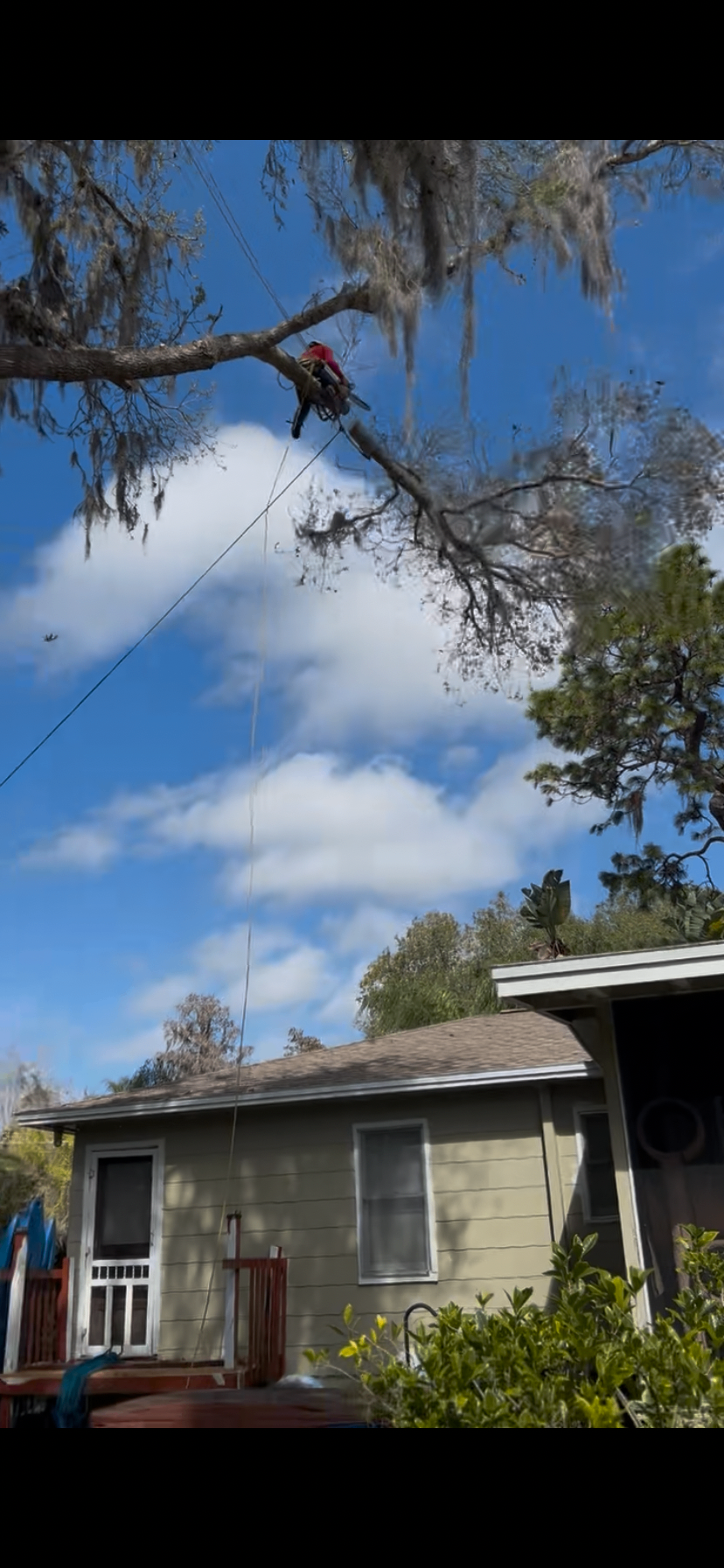
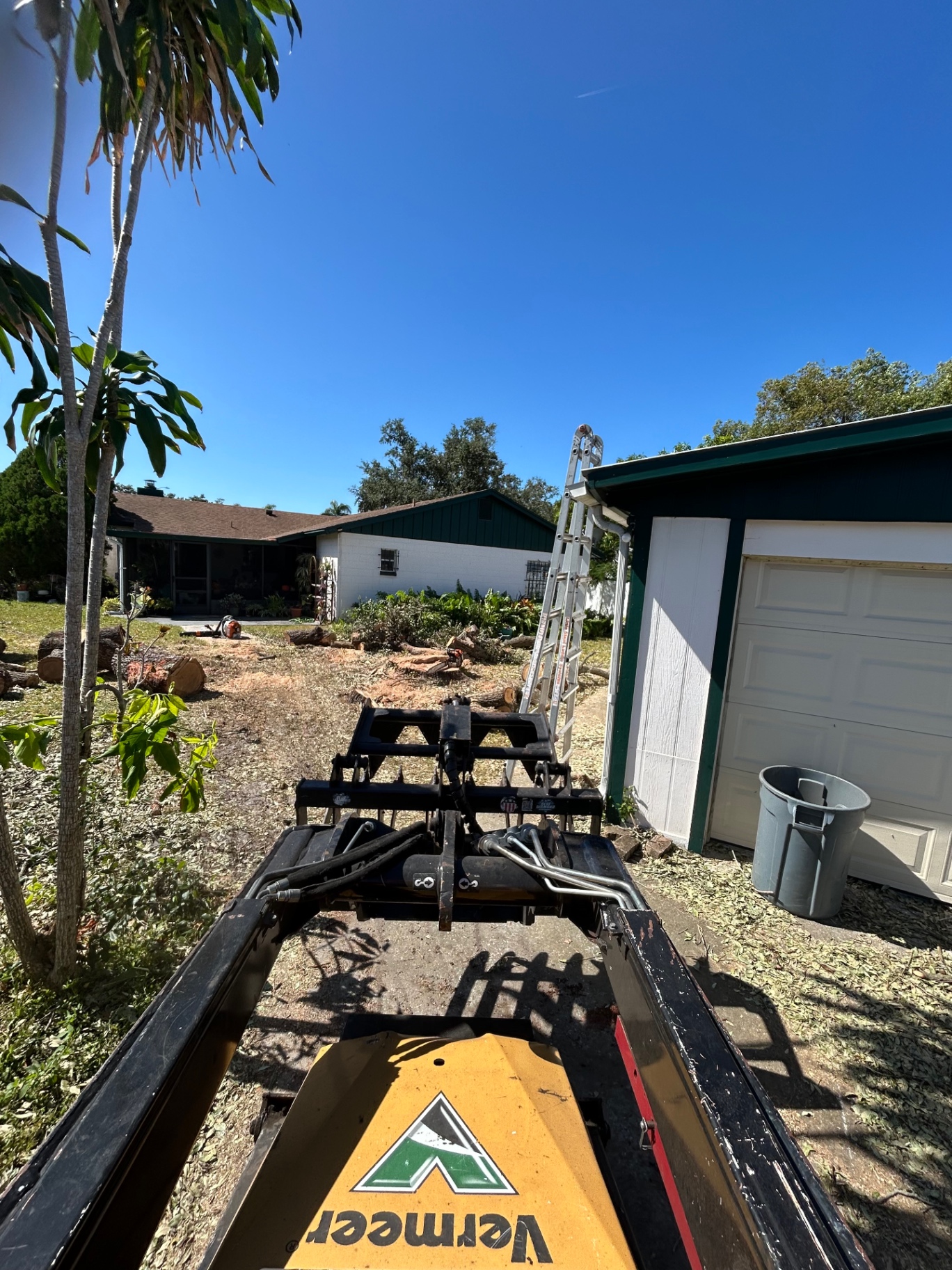
A tree job in Golfview or Riverside often means coordinating around an active golf course or a riverbank with limited equipment access, neither of which behaves like a standard residential yard. We time work to avoid course play where a property borders a fairway, and on river-adjacent lots we plan equipment placement to avoid the bank itself, since heavy machinery near an already-saturated riverbank risks doing more damage than the tree work does. Terrace Park and Woodmont's more conventional residential lots are more straightforward, but even there mature oak canopy often means rigging sections down rather than dropping a tree whole.
Storm response along the Hillsborough River
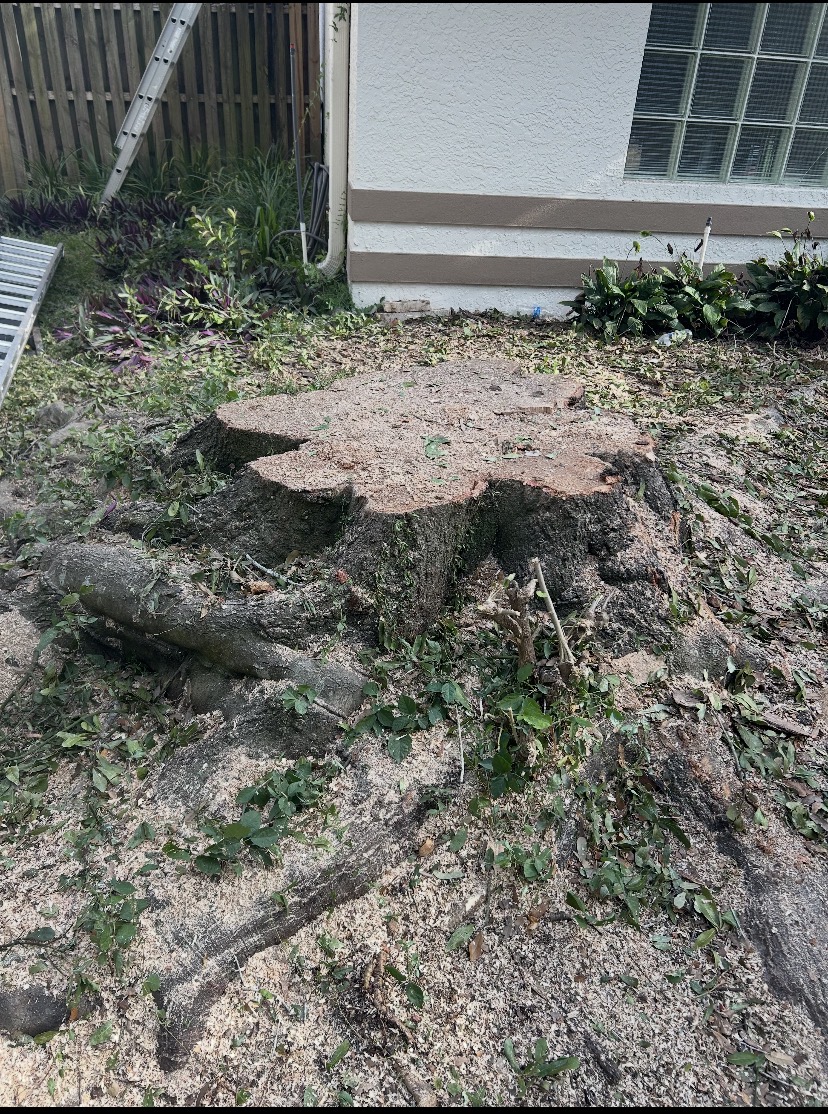
Temple Terrace's river corridor adds a wrinkle other nearby suburbs do not have: after heavy rain, river-adjacent ground can stay saturated for days, during which even a moderate wind event can topple trees that would have held in drier soil. Our post-storm Temple Terrace response checks river-frontage and golf-adjacent properties first for leaning or shifted trees, since these are the ones most likely to still be moving after the storm has passed. We clear standing hazards and hangers, then move to cleanup, and we photograph the work in a form that supports both insurance claims and any documentation the city's tree ordinance requires after removal.